Please select your home edition
Edition
Palm Beach Motor Yachts

NOAA leaps forward on collaborative approach for Red Snapper

by NOAA Fisheries 22 Feb 14:41 UTC
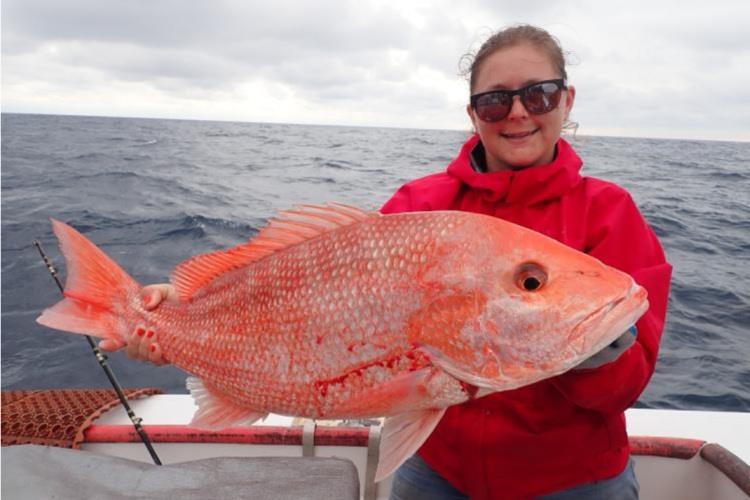
Red snapper, like the one pictured here, is a culturally and economically important fish for South Atlantic fishing communities. It is especially prized by recreational fishermen for their delicious taste and rewarding catch © NOAA

NOAA Fisheries announces a major collaborative step toward boosting red snapper recreational fishing opportunities in the South Atlantic.

NOAA Fisheries announced a major collaborative step toward boosting red snapper recreational fishing opportunities in the South Atlantic. The agency invites public comments on applications for Exempted Fishing Permits (EFPs) from Florida, Georgia, South Carolina, and North Carolina. The EFPs are designed to test new data collection methods and strategies for state-led management of the recreational red snapper fishery.

This 25-day public comment period marks an important step in NOAA's review and consideration of management strategies for the recreational harvest of red snapper, which will balance sustainability and economic benefits. These actions are also expected to increase opportunities for American recreational fishermen.

"Today's announcement underscores NOAA's dedication to innovative harvest strategies that represent a bold new paradigm for coastal prosperity, aligning sustainable fisheries management with the President's charge to revitalize the economic core of our coastal regions," said Neil Jacobs, Ph.D., NOAA Administrator. "These state-led pilots have the potential to provide an important framework for improved data collection and enhanced management responsiveness, ensuring red snapper remains a cultural and economic cornerstone for the South Atlantic."

The United States has the largest and most diverse recreational fisheries in the world. Red snapper are especially prized by recreational anglers for their delicious taste and rewarding catch.

Managing sustainable fisheries is a dynamic process that requires access to the best available information to guide management actions. This step supports increased generation of high-quality data streams to inform future scientific advice and management.

"As an avid fisherman, I understand the adventure and thrill of the catch," said Eugenio Piñeiro Soler, NOAA Fisheries Assistant Administrator. "The EFPs propose to open up more opportunities for our recreational fishermen, while supporting sustainable red snapper population levels. NOAA Fisheries is committed to improving our partnerships and collecting better recreational data to bolster science-based fisheries management."

The request for public comment will be published in the Federal Register. The public is encouraged to submit comments during the 25-day comment period. The public may also provide comments on the EFP applications to the South Atlantic Fishery Management Council (also known as the South Atlantic Council) during the March 2-6 meeting.

Related Articles

Messaging mariners to reduce whale vessel strikes
A new real-time messaging network uses a well-established maritime navigation safety technology A new real-time messaging network uses a well-established maritime navigation safety technology—the Automatic Identification System—to reduce the risk of vessel strikes involving North Atlantic right whales. Posted on 22 Feb
Emergency rule increases red grouper opportunities
For commercial and recreational fishermen NOAA Fisheries is implementing an emergency rule that will increase the Gulf of America red grouper catch limits and extend the recreational fishing season. Posted on 9 Aug 2025
Washington state river restoration project
Reviving salmon habitat, supporting local jobs This spring, NOAA partner the Lower Columbia Estuary Partnership broke ground on a large-scale salmon habitat restoration project on the lower East Fork Lewis River in Washington State. Posted on 17 May 2025
Scientists estimate krill abundance in Alaska
A commonly used machine-learning algorithm was key Throughout the world, scientists engage in regular vessel surveys to produce estimates of species distribution and abundance. These estimates let scientists track species- and ecosystem-level trends over time to support ecosystem-based fishery management. Posted on 22 Feb 2025
Oregon Coast coho sustain sportfishing seasons
Rebound of wild populations boosts productivity enough for harvest Low salmon returns have closed salmon fishing in California and limited it elsewhere on the West Coast. But Oregon anglers have enjoyed robust sportfishing on a strong wild salmon species. Posted on 23 Dec 2024
Some fish and crab may shift further north
New regional models are being developed for the Bering Sea to better anticipate climate change The eastern Bering Sea is a highly productive marine ecosystem, supporting more than 40 percent of the annual commercial fisheries landings by volume in the United States. Posted on 21 Dec 2024
How the 2024 hurricane season impacted fishing
Learn how business owners, marine ecosystems, and recreational fishing seasons were affected The 2024 Atlantic hurricane season, which officially ended on November 30, showcased above-average activity. It had a profound impact on recreational fishing in the Gulf of Mexico, causing recreational fishers to face challenges and interim closures. Posted on 20 Dec 2024
Climate, Ecosystems, and Fisheries
Climate change is impacting the nation's valuable marine and Great Lakes ecosystems The NOAA Climate, Ecosystems, and Fisheries Initiative (CEFI) is an effort to provide decision-makers with the information they need to prepare for and adapt to changing oceans and climate. Posted on 7 Dec 2024
Fifteen years of searching for smalltooth sawfish
NOAA Fisheries scientists have been studying smalltooth sawfish in South Florida since 2009 NOAA Fisheries scientists have traveled to South Florida multiple times a year for 15 years to study smalltooth sawfish. Posted on 17 Nov 2024
Harbor Seals consume up to a third of Steelhead
Unchecked predation may undermine recovery actions, study finds Harbor seals consume as many as a third of young steelhead smolts migrating out of the Nisqually River's delta in southern Puget Sound, new research shows. Posted on 21 Sep 2024
Maritimo M600Palm Beach Motor Yachts