
Fisho's Weekly Fishing Report – 19th December 2025
by Fisho's Tackle World Hervey Bay 19 Dec 2025 07:29 UTC
19 December 2025
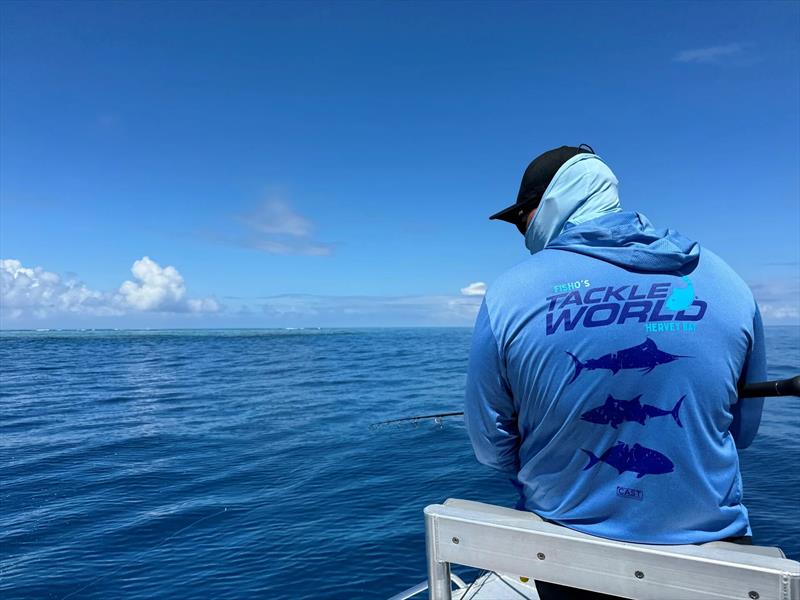
Fisho's Weekly Fishing Report © Fisho's Tackle World Hervey Bay
Northerly Winds to Blow Santa Our Way
No doubt it is absolutely glamorous out on the water today. That couple of days of breezy south-easter mid-week was a very welcome cool change, but it is behind us now and the heat is set to return.
Increasing humidity in a northerly air flow will dominate the immediate future, and perhaps right through until Xmas. Winds should be very light tomorrow morning, albeit from a northerly direction. Don't expect any more than 10 knots until late in the day, when a slightly stiffer sea breeze will kick in. Northerly winds around the 10-15 knot mark will be less appealing for bay fishos in smaller vessels on Sunday, whilst remaining manageable for those in larger craft.
Predictions beyond that point are largely speculative, but is does seem like the northerly air flow will continue to dominate right through the working week as the monsoon looks like developing in the far north. If it blows 15 knots in the bay, then it might as well blow 20 knots or more and keep us that little bit cooler as we seek reprieve from the building heat. Storms and showers would seem fairly likely for the Xmas period (at this stage) but we won't know until we get closer.
The tides have been making all week, hence the better-than-average fishing from many inshore and estuarine hotspots. The 'makes' will top-out with the arrival of the new moon on Saturday, with fairly modest spring tides ranging between lows of around 0.8m and highs around 3.6m or so. Happy days ahead for game fishos, sports fishos and reef fishos before the moon waxes a little and the tidal flow commences its fortnightly decline once again.
Urangan Pier Sprung to Life During the Making Tides
It has been a big week for Urangan Pier fishos, and the kids have certainly been enjoying themselves out there since school broke up. The GTs returned, as expected, and so did a host of other pelagic species. If you haven't worked it out as yet, you should envisage improved pelagic activity beneath the pier any time the tides are making (ie; post half-moon), so long as water quality is reasonable and there is abundant baitfish present.
All those boxes were ticked in recent days and it was on for young and old. GTs landed bettered the 20-kilo mark, and much larger fish managed to evade capture. It is a brutal game, trying to extract rampaging GTs from amongst the pier's pylons, so typically only those with powerful enough tackle, some skill, and plenty of luck on their side land the really big ones. 10-20 kilo fish are much more manageable, yet even they still test many who hook them.
Big queenfish turned up to heighten the excitement levels, as did rogue barracuda. Big 'cudas are highly unappealing to boaties, yet they are deemed a bonus for land-based pier fishos who rarely get to tangle with these fang-toothed giants. School mackerel made an appearance in sufficient numbers to keep the kids spinning with spoons, whilst a few longtail tuna to 10 kilos also made raids on the pier's hapless herring schools.
Garfish proved to be a choice bait for those relying on the frozen variety, only bettered by live gar, live squid, or the humble live herring. As predicted, the pencil squid made a solid appearance as soon as the moon lost its lustre. Catches of pencil squid increased quite quickly as the nights darkened, and urgent pre-dawn sessions soon gave way to more relaxed evening assaults as the squid turned up in numbers after dark.
Squid sizes are generally quite small as yet, though there are enough better ones in the mix to satisfy those seeking bigger baits or better eating sized squid. Rig the kids up with a tiny 1.5 - 1.8 sized squid jig on a lightly-weighted paternoster rig and head out after dark either side of high tide. Or, rig them with two jigs spaced appropriately if you feel they are capable of avoiding tangles. When the squid are on, they come thick and fast, and a 50 per person bag limit isn't that hard to achieve.
Like all things artificial, better results come from better quality lures, so invest in the proven performers when selecting your arsenal of micro squid jigs. Improve your chances by attaching strobe lights or chemical light sticks if you feel the need, or consider a battery-powered submersible squid light to help isolate squid beneath your position and away from others. Lights suspended above the water work nearly as well, so long as you attach some form of 'shade' above them so you are not blinded by the glare when trying to spot squid in the lighted water below.
Those pencillies make primo live baits for a range of species. Flathead love them, as do estuary cod, but it is the dominance in attracting jewfish and queenies as well as GTs that really makes them worth the effort. Fresh squid is also hard to beat for fish such as grunter, even though the bigger grunter will scoff the live version just as readily. Bull sharks also happen to enjoy eating squid in all its forms, so be prepared for encounters with them, especially if live baiting.
Time to Hit the Shallow Reefs Again
The dark of the moon is a prime time for an expansive array of fisheries. One that really shines over the darks at this time of year is our shallow reef fishery. Tinnies galore will be scouring the fringing reefs with trolled divers looking for coral trout, and they should do quite well, particularly if they hit the water at dawn. This fishery is about to be heavily over-exploited once the holiday masses arrive, so make the most of this new moon if you get the chance.
Drift the shallow reef country casting soft plastics and you are bound to hook some trout. Prawn imitations will dominate for many, but small 100mm paddle-tailed softies also work a treat. Pay attention to your lure's sink rate if new to this game and countdown the free fall to the bottom. Once familiar with your sink rate, you can easily work the gnarly coral-encrusted terrain without snagging up too often. Tight drags and quick reflexes will be mandatory for success once the trout bite, so focus, and react to every strike like it is a big fish.
Bait fishos soaking pilchards, hardy heads or banana prawns might chance a few coral trout, all the while enhancing their chances of contact with other species. Grassy sweetlip will eat all of the above, but are probably even easier to target with squid. Stick with prawns and squid for the grunter and your chances will improve. You might even trip over the motherlode this time of year. Large grunter can be found in schools along the outer reef edge during the day, and right up in the shallows under cover of a moonless night as well.
Drag yourself away from the fringing shallow reefs and into the nearby shipping channels and you could troll up even bigger coral trout and plenty of estuary cod. School and broad-barred mackerel have been taking a host of trolled lures in Urangan Channel this week, and that area is also home to stacks of cod and a few better-than-average coral trout.
Squid Draw Big Predators Inshore
Avoiding the attention of sharks on our deeper inshore reefs is a serious challenge, but if you get lucky, then it could be trout, cod and possibly even nannygai bites amongst the Xmas seafood platter. The inshore migration of pencil squid has ramped up and this influx of prime tucker will draw the attention of many predators, pelagic and demersal alike.
Queenfish are already well-positioned along our deeper ledges and around select reef sites to take advantage of the squid run. Big giant trevally will soon join them, if they haven't already, and will wreak their own version of terror on all smaller inhabitants. So too, the XOS spanish mackerel that find their way inshore at the height of summer. Fish in the 30-kilo class that will sit in the shadow of your boat and wait for you to try and retrieve your next reef fish or smaller mackerel past them.
The shipwrecks of the Roy Rufus become temporary half-way houses for both GTs and big spaniards in a good season. This one should be one of them. Many reef fishos will be comprehensively smoked by GTs eating their live baits or their hooked reef fish as they try to get them to the boat. It isn't just the sharks you have to out-haul in these parts in summer!
Target the GTs and spaniards on our deeper shipwrecks and other artificial reefs with stickbaits on sunset when it coincides with low tide. Such timing will see you out there doing it while Santa is en-route next week. Otherwise, live baits are the go for them in those waters, or you could always troll larger deep divers such as Rapala X-Rap Magnums or Venom divers and chance a GT or a large spaniard.
Head for the current lines and the verges of the bay islands around low tide while the new moon has the current racing and you can pop and stickbait for GTs on heavy casting tackle. Lighten-up and down-size your surface presentations and the queenies will soon let you know if they are there too. Giant herring will be a chance, as will trevally. Bull sharks might even take a liking to your larger presentations, so get your expensive topwater lures out of there if your next "GT" grows a big dorsal.
Scoot up into the shallow flats country and look for golden trevally when the tide is higher. Stealthy approaches and good presentations will soon have you hooked up and losing line at a pace if you find them. You might find queenies, even a few smaller GTs or some blue salmon, depending upon your target area. Grunter and flathead can be added to the hit list when you get closer to the mangroves, and threadies too if you head further down the straits.
Spotties Join Tuna in Central Bay
Our spotted mackerel season has been slow to get going, but it has improved a little. Most of the notable action has been out in the wide-open expanses of the central bay this week, with vastly less fish appearing in Platypus Bay at this time. Yesterday's diminishing south-easter might have drawn more fish to the east, so folks headed towards Rooneys might have better luck today. If not, then they should head west.
There are hordes of mac tuna all over the bay, and many of them are quite sizeable too. School longtails to 10 kilos are being reported amongst the mac tuna in open waters, whilst the bigger black barrels made famous in past DVDs have been cruising Fraser's western flats fringing eastern Platypus Bay. It will be first in best dressed when it comes to spooky big longtails in the skinny water up that way, so hang with them if you find them first.
An experienced game fisho from Port Stephens in NSW headed up the bay during the past week and picked up 3 little black marlin for his efforts. This dude knew what he was doing and put the effort in for just reward, right when many others had given up. This new moon period will see renewed enthusiasm from true devotees of billfish, and with increasing numbers of spotties arriving, their chances are likely better than they were recently.
Cobia remain a random chance throughout the northern and eastern bay, but in nowhere near the numbers of spring. So too, spanish mackerel can be found out towards the Gutters and on reef sites in the central bay. Find masses of larger baitfish or hordes of juvenile demersals to find either of these species.
Gutters fishos have reported the usual decent-sized coral trout, a few cod and plenty of grassy sweetlip. Sharks are a major hassle out there and likely to go next level if we get good weather and extra boat traffic during the summer holiday period. Bigger nannies and reds can be found be ranging much further afield and focussing on less-prominent structure where shark activity (and boating traffic) is less.
Kingfisher Bay a Hotspot for Holidaymakers
Kingfisher Bay Resort is a popular holiday destination for visitors, and its jetty is a major drawcard for holidaying fishos too. Boaties can access it easily enough from River Heads or from Urangan when the weather permits, whilst pedestrian visitors can hitch a ride with the Fraser Island barge from River Heads. An eclectic mix of fish and cephalopods awaits, so you can catch squid, pelagics and estuarine species all from the safety of the jetty.
Kids can have a ball catching pencil squid after dark or at dawn. They can then hook them in the hood and return them to the water as live baits for a jewfish, a flathead or an estuary cod. They can catch herring on a jig instead and send it to the same fate, or they can kick back soaking dead baits or tune their skills with lures.
Just in the past week, there has been queenfish, flathead, undersized jewies, school mackerel and longtail tuna caught from Kingfisher's jetty. Giant trevally and even spanish mackerel might make a raid on the bait schools over the new moon period and the dark nights are bound to see sharks caught if anyone puts in the effort.
Further down the Great Sandy Straits there are more queenfish, golden trevally and small-medium sized giant trevally. There are grunter of various sizes, threadfin salmon and blue salmon. The creeks are alive with mangrove jacks down there (especially those that drain from Fraser) and the new moon tides and those thereafter offer prime times to pit your skills against them.
River Predators on the Chew in Hot Water
The heat will return in coming days, so jack fishos should be gearing up in readiness. High humidity is uncomfortable, as are stinging insects - both factors of a red-hot jack bite quite often it seems. You can find plenty of jacks in local creeks, but the Burrum system and the creeks of the straits are where they hang out in bigger numbers.
Stronger tidal flow creates its own challenges for lure fishos, but also creates opportunities. Don't miss your chance to tangle with the red terrors this new moon and consider extending your efforts into the evening. You will learn a lot from a night spent up a local stream, be it large or small. If you are daring and resilient enough, then lock yourself in some bug-infested backwater for low tide (day or night) and you could experience champagne jack fishing.
Talk of numbers of threadies finally traversing the waters of the Mary system will see increased effort over the upcoming holidays. Make the most of these quieter times while you have the chance and go find them. The big tides will have them actively working drains and muddy verges in the lower reaches, as well as prominent rock bars from River Heads upstream. Vibing deeper waters is certainly still an option, even when the tide is racing out, but you might want to seek your threadies from deeper holes, on, or beyond bends that ease the water flow.
Trollers can practice their craft in the big gutters not far from River Heads. Cruising threadies will respond to a range of lures, but longer minnow-style shallow divers are typically favoured for this terrain. Skirt the edges with the shallow lures or ply the depths with deeper divers if you like, but ensure you persist beyond a minimal effort or you are wasting your time.
Shore-based fishos tossing lures into the strong-flowing waters at River Heads itself are in with a very good chance of encounters with threadies this week. Those that fish the wee hours and the lower stage of the tide will most certainly fare best, but that caper isn't for everyone. Stick with shallow diving hardbodies, paddle-tailed plastics or perhaps medium-sized prawn imitations and you are in the game. Cast as far as you like, but you will soon observe that most strikes come from very close to the rocks you are standing on, so work your lures all the way to your feet.
River fishos can expect to catch some very nice grunter from both the Mary and Burrum systems this week. The bigger tides will favour those fishing the lower reaches of either, though schools of fish can be found well upstream at present. Whiting are a reasonable target whilst the current is roaring, as are pikey bream and flathead. Add blue salmon, GTs, queenfish, fingermark, jewfish, cod and bull sharks, and there is plenty of river predators you can be targeting while you wait the 6 weeks until barra season opens.
Set your crab pots over the new moon period and you could be feasting on muddies this Xmas. The Burrum system is giving up a few of varying quality, as are local creeks. Remember to check the fullness of any bucks you catch, as empty crabs or poor grade crabs are common at this time of year. No good wasting such a precious resource if there is no meat inside, not to mention the embarrassment when mum cracks the first claw and its hollow.
An influx of additional commercial crabbers have set upon the Mary and Susan Rivers, mooching in on the local pros that have enjoyed a good season 'farming' their patch. One might expect a bit of conflict and issues with missing or damaged pots with such extra competition if things get heated down that way. Consider this, and manage your hardware to ensure you are not engaging with other crabbers.
Sand crabs have been reportedly scarce in the open waters of the bay lately. So much so, that local commercial sand crabbers have pulled their gear. Notwithstanding, you can go catch a handy feed of sandies close inshore in a few metres of water over this new moon if you like. The waters off Urangan and the upper reaches of the straits are good places to lay your pots, so long as you avoid high traffic areas and have ample rope attached to duly-weighted pots.
Fraser's FADs are to be Redeployed in January
Word from the man in the know within Qld Fisheries has confirmed that the FADs (Fish Attracting Devices) that went M.I.A. from waters off Fraser Island some months ago just arrived in Roslyn Bay and are ready for redeployment in January. This is great news for fans of mahi mahi and other nomadic pelagic fish.
The new FADs will be of improved design, sporting GPS trackers and radar deflectors to try and alleviate the issue of trawlers scooping them up. These FADs also happen to carry acoustic receivers used to track tagged fish and sharks, which is one of the reasons the FAD off Rooneys Point (which doesn't attract anywhere near the fish the offshore-positioned ones do) is being redeployed. It is apparently quite remarkable, how many of the great whites, tigers and big bulls sporting tags swim past that particular FAD site. No surprise to local fishos there, eh.
We will let you know once we hear the FADs have been redeployed. You can check on their status at any time, and learn of their position, by looking them up via Qld Fisheries website, or via the Qld Fisheries 2.0 app on your phone.
As we will be too busy dealing with the mad Xmas rush next week and won't get the chance to write a fishing report, we take this opportunity to wish all of you a very Merry Christmas, and trust that Santa brings you some exciting new tackle to test in the new year.
Good luck out there y'all... Jase